



Training in pairs.
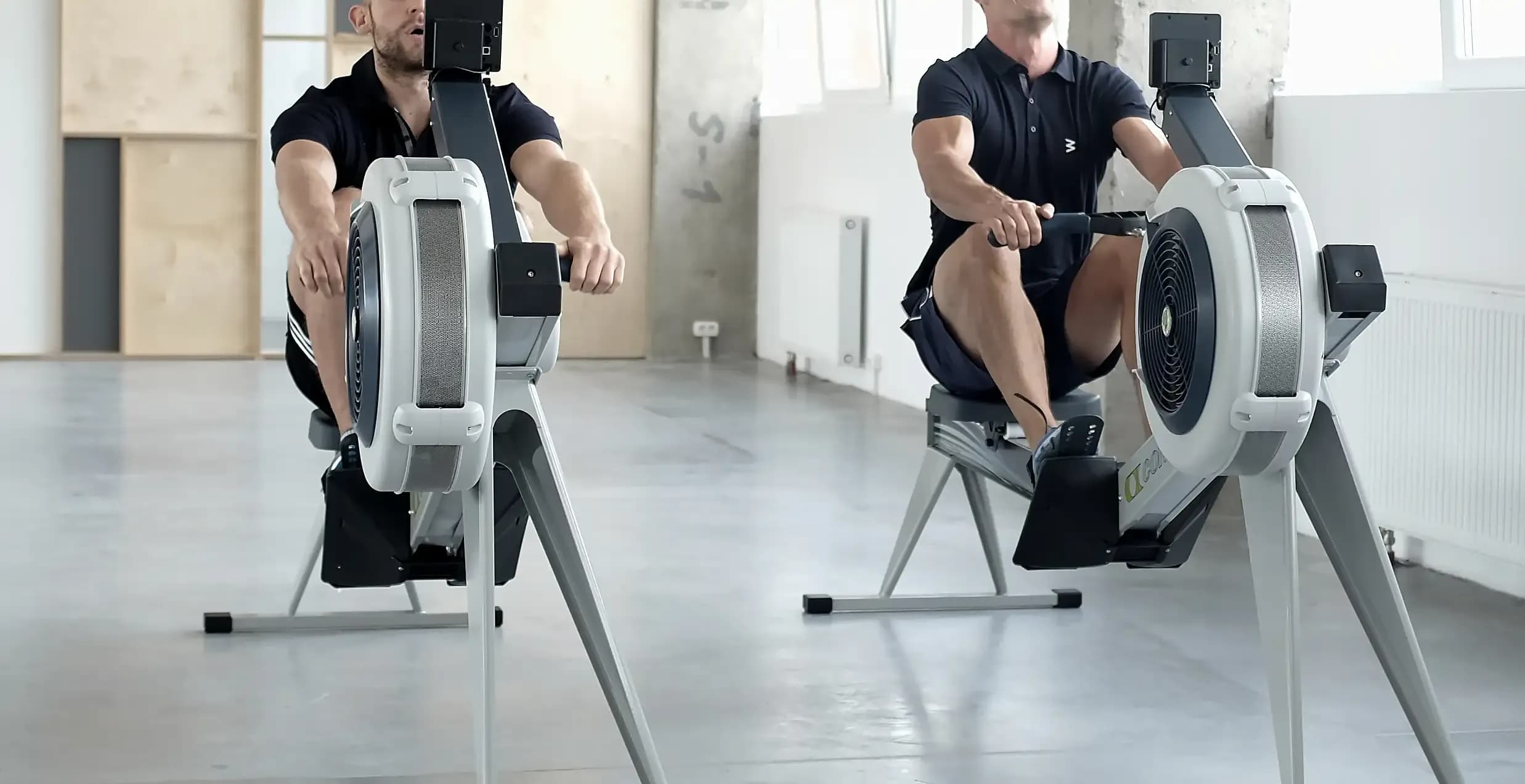
Make movement your shared adventure!
Training in pairs combines caring for your health and fitness with valuable, active time spent together. Whether you're just beginning your adventure with physical activity or want to add variety to your existing routine, working as a pair gives you motivation, support and shared satisfaction from the results.
How a session works.
Each session lasts 55 minutes. Depending on your needs and availability you can train once or several times a week: the best results come from two or three sessions. Some sessions you can do on your own, following the plan agreed with your trainer.
Your training plan.
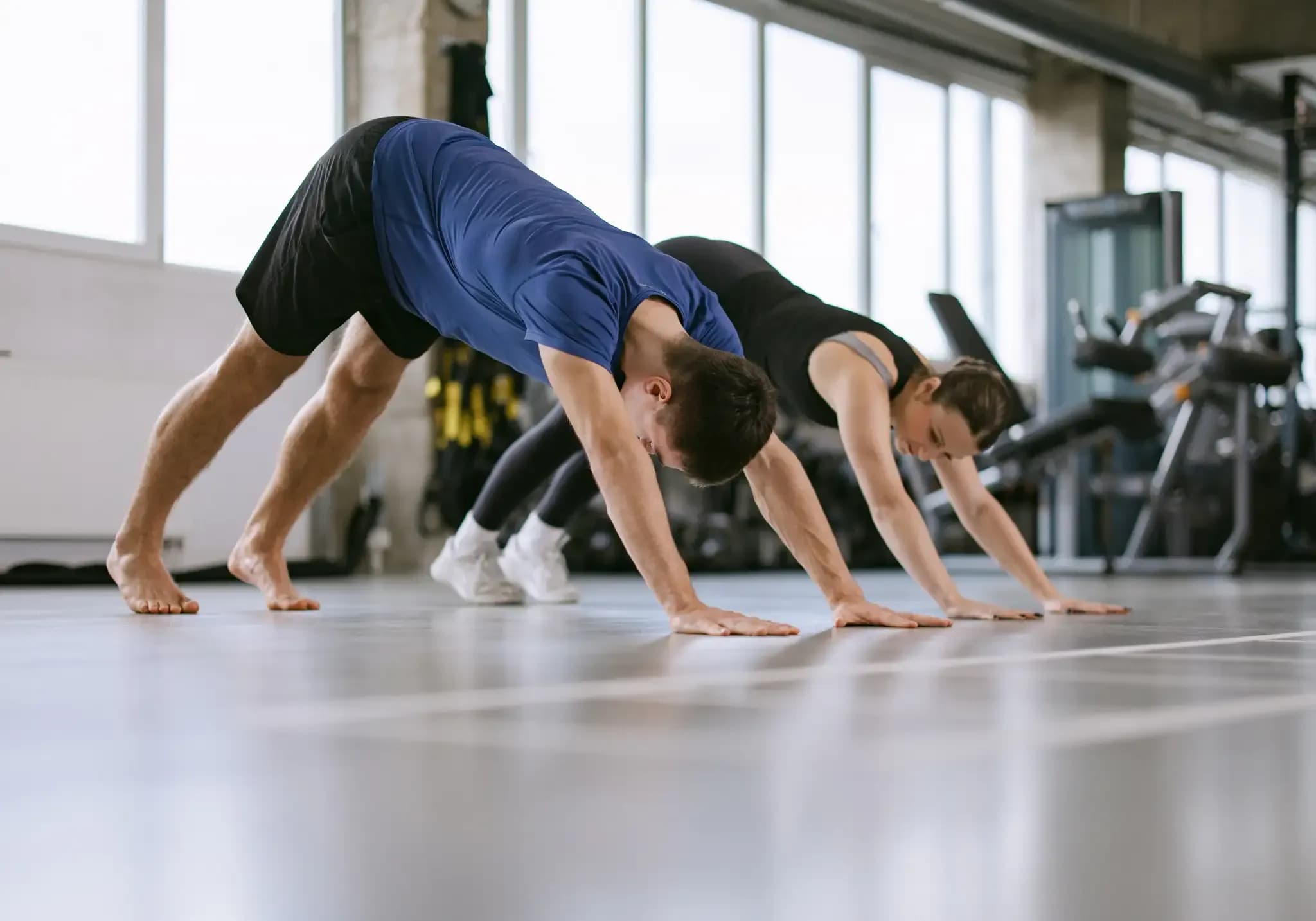
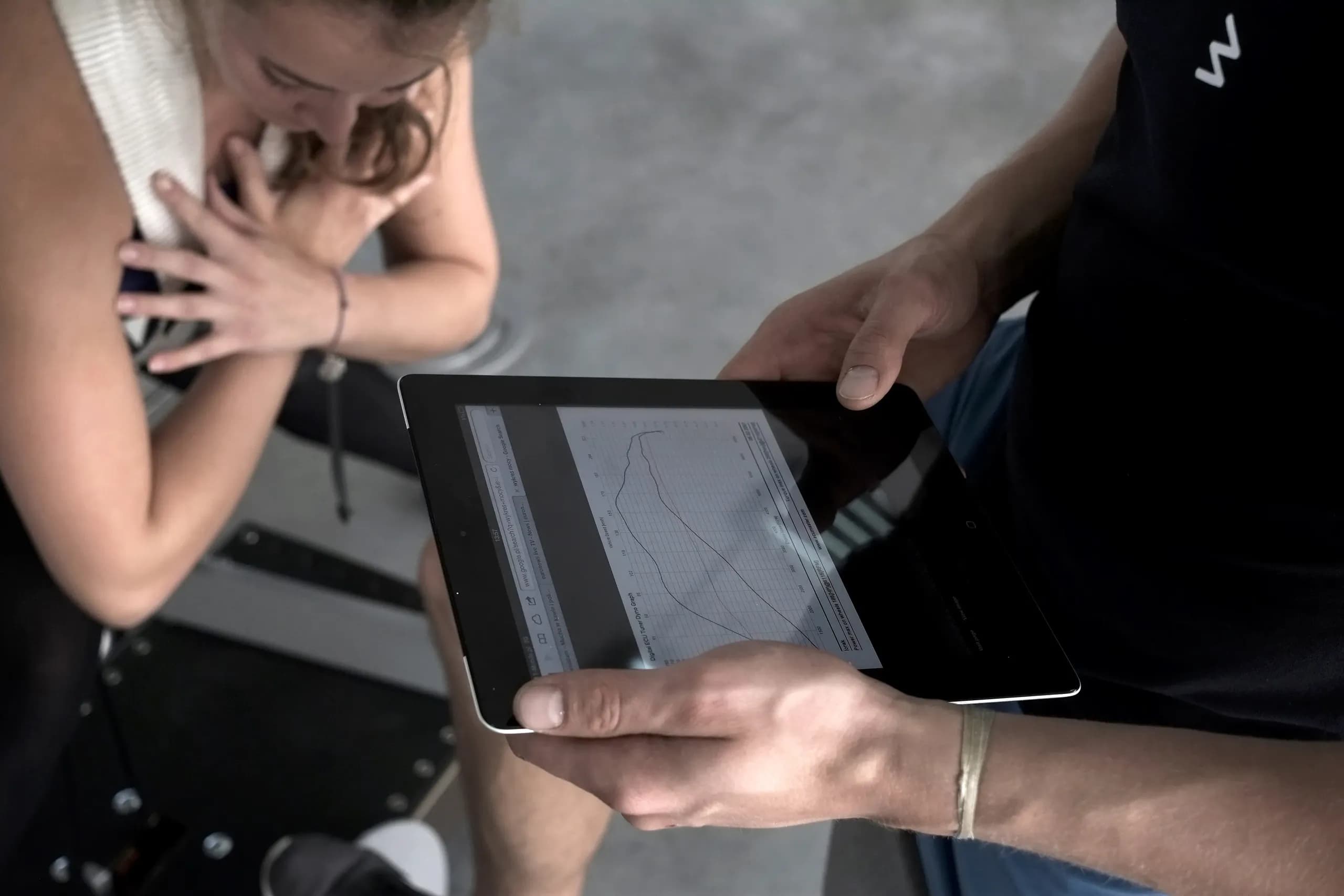
With regular training (2–3 times a week), you can gradually notice the results of your work together. Your trainer adapts the plan to your goals, current fitness and capabilities, then adjusts it to each person’s progress. Especially at the start, the trainer helps you learn technique, maintain consistency and increase the load gradually. Training together is a chance to motivate each other and make movement part of your weekly routine.
Who is it for?
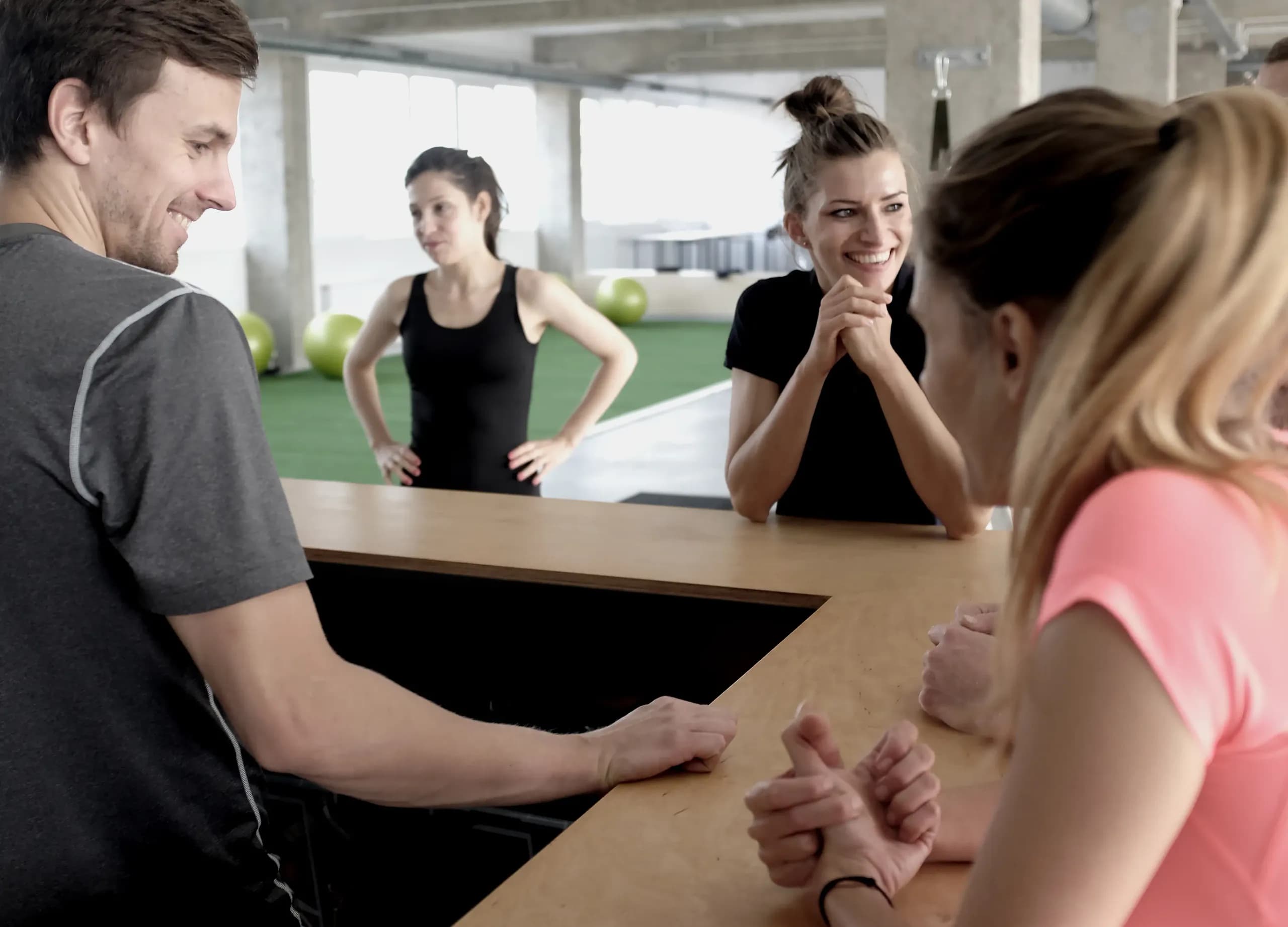
Training in pairs is an excellent option for people who want to combine physical activity with time spent together. Whether you come with a partner, a spouse or a friend, the sessions will be adapted to both of you.
When is it worth it?
According to PAP data, over 60% of Poles are overweight, 25% of them obese, and it increasingly affects children and teenagers too. Specialists estimate that obesity and excess weight cause around 300 different health complications. So what can be done? The recommendations are fairly obvious: the right diet and more physical activity. As always, though, the devil is in the detail. A proper diet doesn't mean eating less, and physical training also has to be done correctly for it to translate into burning fat. That's why it matters so much to start the process deliberately, with lasting results in mind.
The vast majority of people lead a sedentary life: desk work, commuting, entertainment in front of the TV. Spending a long time in that position contributes to excessive, constant tension around the neck, a closed-off chest and weakened back muscles, and in consequence to permanent pain and, unfortunately, a disproportionate, crooked posture. Training aimed at improving your physique is directed above all at opening and straightening the body, and at improving range of motion and flexibility. An upright, slimmer figure isn't the only effect: you feel fitter, more supple, you breathe more freely and you find more joy in everyday life.
Strength isn't just the number of kilograms you lift: it's the foundation of stability, balance and the whole body's capacity. We take a comprehensive approach to strength training, combining muscle development with better coordination and nervous-system work. Our plan accounts for technique, load progression and varied methods that engage the muscles functionally. We build strength not only to improve capacity but to increase protection against injury and improve everyday ability. We focus on correct posture and advanced exercises that involve the whole body, developing strength across different ranges of motion. Every session is adapted to individual needs and goals, helping you get the best results in the safest way possible.
Comprehensive athletic preparation at BODYWORK is based on the demands of the specific discipline and competitive level. We work with athletes in individual sports (athletics, tennis, combat sports) and in team sports including football, handball, volleyball and hockey. We use modern technology, among others the VALD platform, the Dynamo system and Compex electrostimulation, which lets us monitor progress precisely and adjust training loads optimally. We support athletes at every stage of development, from children and teenagers to professionals, including world champions and national-team members. Athletic training focuses on developing strength, power, speed, coordination, mobility and endurance, always accounting for the specifics of the discipline and the athlete's individual predispositions.
A form of movement adapted to the needs and capabilities of people in later life. The main aim is to support ability in everyday functioning: improving muscle strength, balance, coordination and range of motion. Regular activity also helps reduce pain, supports general wellbeing and helps maintain day-to-day independence, so you can enjoy a full, active life for as long as possible. Well-planned training is also an important part of prevention: it reduces the risk of falls, injuries and overload. During sessions we pay attention to safety and pace, so everyone feels comfortable and has room to work at their own rhythm. Training is led by a physiotherapist or trainer who selects exercises individually, with care for each person's health and capabilities.
Sessions for children and teenagers are carefully designed to support their physical development safely and effectively. Programmes are adapted to age, stage of development and individual needs, which allows optimal results in coordination, strength, flexibility and endurance. We place particular emphasis on developing fundamental motor skills, which form the foundation of future sporting activity. We work both with children just beginning their adventure with sport and with young athletes aiming for competitive achievement. Our training is based on methods that account for the specific needs of young athletes, helping with injury prevention and with developing the skills a given discipline requires. With the right approach, our sessions support physical development as well as building the self-confidence and discipline that are key on a young athlete's path.
Book your first session.
Take advantage of people who are specialists in this area. Book a session with a personal trainer and see whether this way of working suits you. You don't have to commit to a longer arrangement straight away. Come, take a look and decide!
If you have any questions at all, get in touch: our reception team will give you the information you need and suggest a convenient time for a first meeting.

Sign up for our newsletter.
Stay in the loop.
BODYWORK GROUP Sp. z o.o., ul. Samuela Lindego 4, 60-573 Poznań, info@body-work.pl, is the controller of your data. We share it with our email service provider, and you may complain to the President of UODO, the Polish data protection authority. Details and the retention period are in the privacy policy.